
Therapy Sessions in Port Coquitlam
Counselling for Anxious Attachment and Relationship Anxiety in Port Coquitlam
THERAPISTS SPECIALIZING IN THIS AREA: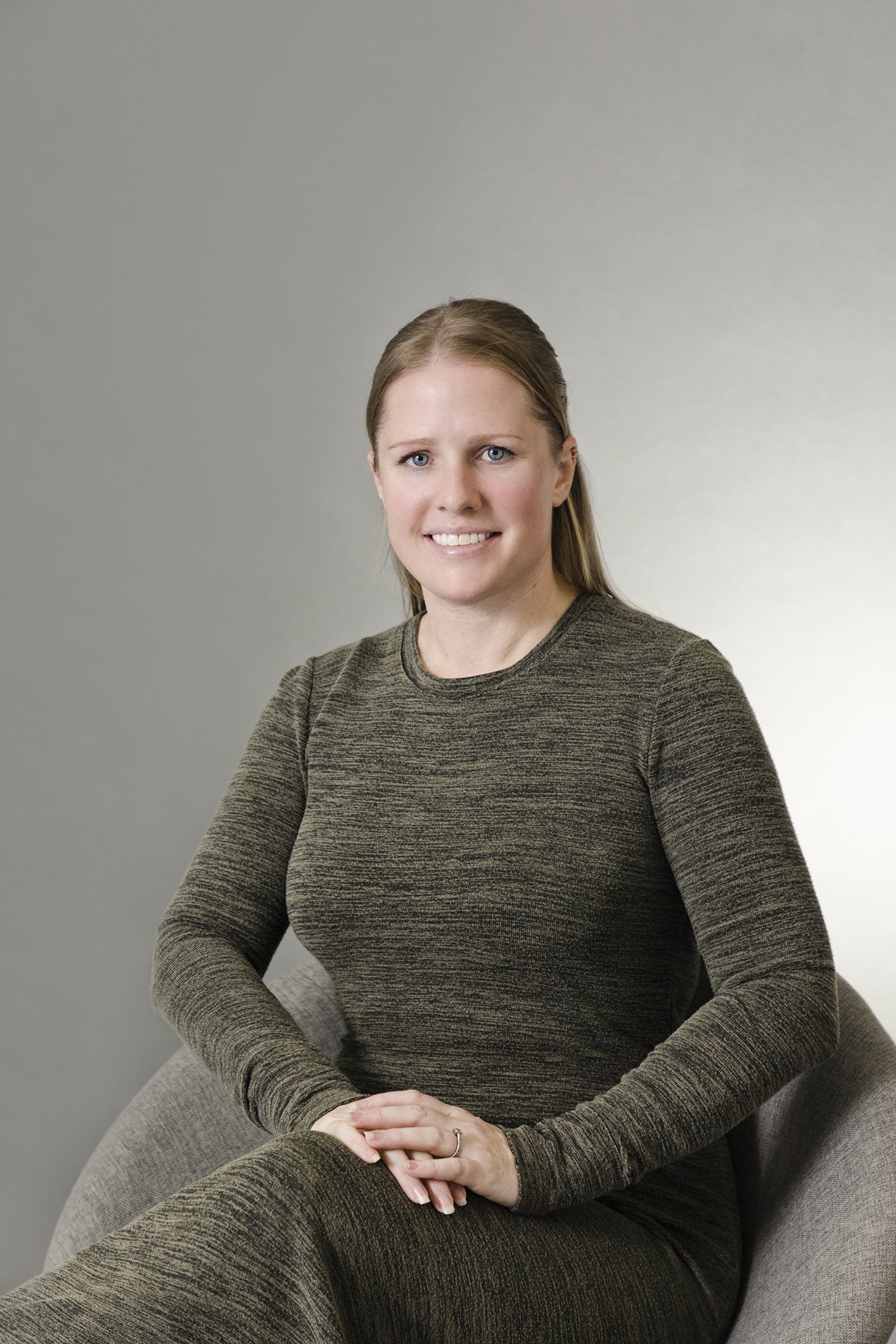
Carrie
Symptoms of Anxious Attachment?
Emotional
A constant fear that people will leave. Panic when someone is quiet or distant. Feeling like you care more than they do. Jealousy or insecurity you do not like in yourself.

Physical
A racing heart or a pit in your stomach when a text goes unanswered. Trouble sleeping after an argument. Restlessness until things feel "okay" again. A body that stays on edge in your closest relationships.

Cognitive
Reading into tone, timing, and emoji. Replaying conversations to find what you did wrong. Assuming the worst when someone seems off. Believing you are too much, or not enough.

Behavioural
Pulling away from friends. Avoiding certain places or types of calls. Snapping at the people you love, then feeling terrible about it.

Why Do I Feel Numb or On Edge After Years as a First Responder?
You are the calm one. When everyone else is panicking, you know what to do. You have learned to stay steady, put things in a box, and keep going. On the job, that is a real strength.
But it is tiring. The calls, the scenes, the voices on the line, the things you saw inside the facility do not disappear when your shift ends. You carry them out to the car, through the front door, and into dinner. Over time you may notice you feel less like yourself. Less patient. Less present. Less able to feel much of anything.
So you keep going. You tell yourself it is part of the job. Everyone on your crew deals with this. Other people have it worse. After a while, it gets hard to tell what is normal for this work and what is actually costing you.
This is not weakness, and it does not mean you are not cut out for the job. It is what happens when a nervous system spends years on high alert. And it can change.
Read More: Healing Shame in Therapy: How to Reclaim Self-Worth and Belonging



Is It Stress, Burnout, or Vicarious Trauma?
Most first responders do not struggle because of one terrible call. It builds. Years of long shifts, bad nights, and things you cannot unsee add up, and your body keeps count even when you do not.
Some of what weighs on you is not your own danger. It is everyone else's. You hear the worst moment of someone's life on the line, arrive at the scene after it happens, or spend years working alongside people in pain. Taking in that much suffering, over and over, wears on you even when you were never in harm's way. This is often called vicarious trauma, and it can sit just as heavy as trauma you lived through yourself. Numbness, anger, and a feeling of helplessness are common.
It also follows you home. Partners and kids feel the distance, even when you are in the room. You may be short with them, or silent, or always somewhere else in your head. Many first responders tell us they do not want to bring the job home, so they say nothing, and the gap grows.
In counselling, we look at what you have been carrying, how it is showing up in your body and your relationships, and what you want to feel different.
What Changes When First Responders Get Counselling?
Here is what tends to change:
You sleep better and wake up less on edge
Calls and scenes stop replaying on a loop
You feel more like yourself outside of work
Guilt and anger loosen their grip
You can be present with your partner and kids
You can talk about the job without shutting down or going numb
You stop relying on drinking or staying busy to wind down
You trust that you can handle the work and also step away from it


What Happens in Counselling for Anxious Attachment in Port Coquitlam?
Your first session is a conversation. We want to understand what your relationships are like, what sets off the worry, and what you want to feel different. You do not need to have it figured out, and you do not need to explain it perfectly. We go at your pace.
From there, we work on two things. First, we look at the day to day. What happens in your body and mind when someone pulls away, what you do to feel safe again, and how that affects the people around you. Getting clear on these patterns is the first step to easing them.
Second, we look at where the pattern comes from. For many people, the fear of being left is tied to earlier experiences that your brain still holds as if they are happening now. Talking about it is not always enough to shift that. We use approaches like EMDR and Brainspotting to help your brain process those experiences, so the old alarm stops running your reactions today.
Along the way, we practice new ways to calm yourself, ask for what you need, and tolerate the uncertainty that comes with closeness. The goal is not to stop caring or to need no one. It is to feel steady enough in yourself that love does not feel so fragile.
This takes time, but many people notice they feel calmer in their relationships earlier than they expect.
We offer in-person sessions in Port Coquitlam and online therapy anywhere in British Columbia. We support adults from Coquitlam, Port Moody, Pitt Meadows, Maple Ridge, and across the Tri-Cities.
Read More: How EMDR Therapy Can Help Heal Trauma
Are You Ready to Move Past These Symptoms?
You do not have to keep managing this on your own. At Serenity Counselling, we offer a private, steady space to understand your patterns and build the kind of security you can carry into every relationship.
LOOKING FOR MORE ANSWERS?
Frequently Asked Questions
-
Anxious attachment is a pattern of relating where you fear being left or not being loved enough, and you work hard to stay close. You may have it if you need a lot of reassurance, worry when someone is distant, or read into small changes in how people treat you. It is a common pattern, not a diagnosis, and it can change.
-
You may feel anxious when your partner does not text back because your nervous system treats the silence as a sign of danger. With anxious attachment, distance can feel like the start of being left, even when there is a simple explanation. Counselling can help you calm that alarm and respond differently.
-
Yes, an anxious attachment style can change. Attachment patterns are learned, so they can shift with new experiences, including a safe relationship with a therapist, a steady partner, and support that helps you build trust in yourself. Many people move toward feeling more secure over time.
-
Anxious attachment often starts in early relationships, but not always, and no one is to blame. Inconsistent care, loss, or times when love felt uncertain can shape it. Later experiences, like painful breakups or betrayal, can also play a part. In counselling, we look at what applies to you without judging it.
-
No. Wanting closeness does not make you too clingy or too needy. It means connection matters to you. What may be wearing on you is the fear that drives the checking, the reassurance seeking, and the self-doubt. Counselling helps with the fear, not with making you want less love.
-
No, you do not need to be in a relationship to do anxious attachment counselling. Many people come while single, dating, or newly out of a relationship. Attachment patterns also show up in friendships, family, and at work, so we can work on them wherever they appear.
-
Yes, counselling can help your relationship if your partner has a different attachment style. Understanding how each of you responds to stress and distance can reduce the cycle of chasing and pulling away. If it would help, we can also talk about couples support.
-
EMDR can help with anxious attachment, especially when the fear of being left is tied to specific memories or painful relationship experiences. It helps your brain process those experiences so they feel less like a current threat. Not everyone needs EMDR, and we will talk about what fits you before we begin.
-
Yes, you can do anxious attachment counselling in Port Coquitlam or online. We offer in-person sessions in Port Coquitlam and online sessions anywhere in BC. Ask about available times when you book your free consultation.